艺术的维度 / THE DIMENSIONS OF ART
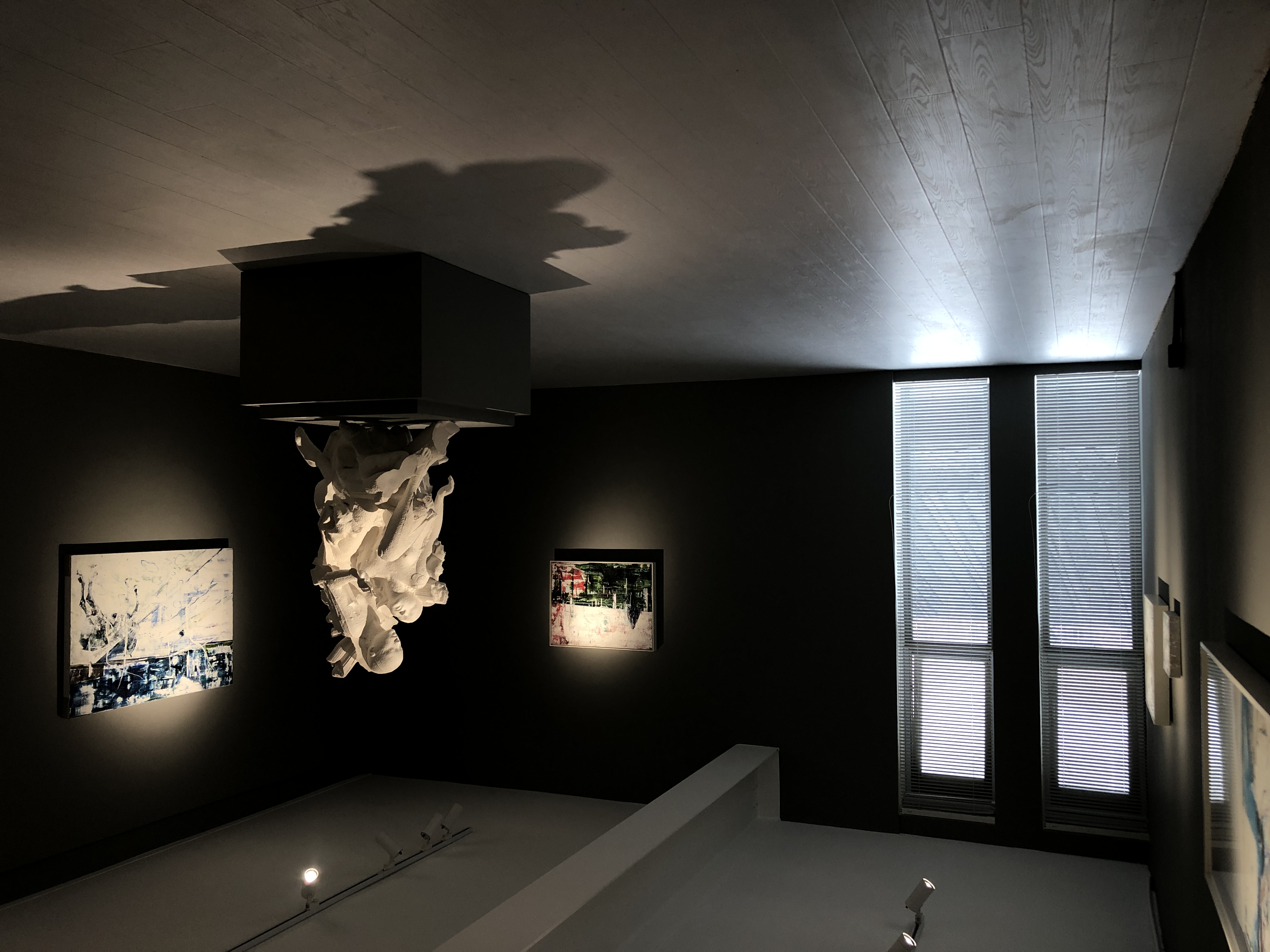
当我们站在观察者的角度面对自己,就是在一个广阔的维度审视自身的局限,从而开始隔离外界干扰,聚焦内在自性的觉察。历史上不少艺术家同样经历过这样的转变。他们年轻时都曾经历过不同主义、不同流派的风格化时期,一段时间之后逐渐摆脱广度的困扰,进而将艺术推向纵深的维度。广度的探索内容及其丰富性,但短暂易逝;深度的探索则寂静而孤独,却持续恒久。作品纯度的提升以觉知力为先导,而非认知层面的事情。作品如同一面镜子映照出创作者内心的维度,照应出创作者何等视角审视自身,以及创作者愿意在何等维度将自身延展开来。
When we face ourselves from the standpoint of an observer, we are examining our own limitations from a broad dimension, thereby beginning to shut out external distractions and focus on the awareness of our inner self-nature. Many artists in history have undergone a similar transformation. In their youth, they all went through periods of stylization under various isms and schools. After some time, they gradually freed themselves from the confines of breadth and pushed their art toward a dimension of depth. The exploration of breadth is rich and varied in content, yet fleeting and transient; the exploration of depth is silent and solitary, yet enduring and lasting. The elevation of a work's purity is guided by perceptive awareness, not by anything at the cognitive level. A work is like a mirror reflecting the inner dimension of its creator, revealing from what perspective the creator examines himself, and to what dimension the creator is willing to extend himself.
20260919